Discover the Unique Attractions of Dubai
Intro
Dubai, a city where tradition meets innovation, stands as a dynamic showcase of the 21st century’s architectural prowess and cultural richness. For anyone with a twinkle of curiosity about its various attractions, Dubai offers far more than glimmering skyscrapers and luxurious shopping malls. This bustling metropolis boasts a myriad of experiences—each reflecting its diverse heritage, stunning landscapes, and cutting-edge facilities.
As one wanders through the lanes of old souks or stands in awe before the towering Burj Khalifa, it becomes clear that every corner of Dubai tells a different story. Understanding this complexity is especially crucial for potential real estate investors, homeowners, and industry professionals hoping to navigate its vibrant property market.
In the subsequent sections of this article, we will explore both iconic landmarks and hidden gems, emphasizing their significance and unique characteristics. Whether you are a seasoned traveler, a curious local, or someone keen on investing, picking up insights on Dubai’s diverse attractions can help broaden your perspective and inform your decisions.
Let’s embark on this journey to unveil the multifaceted landscape of Dubai, ensuring you grasp both the delightful experiences and the economic nuances shaping this city.
Preamble to Dubai
Dubai serves as a vibrant gateway that merges traditional Middle Eastern culture with ultramodern developments. Understanding this unique blend is crucial for anyone wanting to explore the city's diverse attractions. Beyond its immediate appeal to tourists, Dubai's evolution unfolds in a tapestry of ingenuity, investment, and resilience.
The importance of introducing Dubai lies in recognizing its rapid transformation from a modest trading port into a global hub for tourism, commerce, and innovation. This shift presents various opportunities, particularly for real estate investors, who must grasp the socio-economic landscape that supports their ventures. Over the decades, Dubai has been a magnet for individuals and businesses alike, driven by its strategic location, tax-free benefits, and world-class infrastructure.
In this section, we will delve into:
- The historical journey of Dubai's development
- Key milestones that shaped its identity
- Cultural facets that influence its modern-day significance
With an eye toward the future, appreciating these elements is not only beneficial for potential investors and homeowners but also for those who wish to immerse themselves in the essence of Dubai.
An Overview of Dubai's Evolution
Dubai's history reads like a roadmap to success, reflecting a journey of transformation that began in the early 20th century. Initially, the Emirate was defined by its pearl diving industry, which thrived until the Great Depression crippled global demand. However, the discovery of oil in the 1960s shifted the narrative dramatically, providing the necessary funds to lay the groundwork for a new Dubai.
The real turning point crystallized in 1985 when Sheikh Mohammed bin Rashid Al Maktoum, the ruler of Dubai, championed a vision that sparked innovation. Significant investments in infrastructure, including the development of the Jebel Ali port and the Dubai International Airport, marked the beginning of a new era. This approach instigated a wave of economic diversification, steering away from oil dependency towards tourism and real estate.
Today, Dubai boasts a skyline that tells tales of architectural prowess, from the iconic Burj Khalifa to the remarkable Palm Jumeirah. Each brick laid speaks volumes about a city that dares to dream bigger.
Cultural Significance in a Modern Context
In today's world, Dubai stands not just as a city of commerce but also as a melting pot of cultures. The population is a mosaic of over 200 nationalities, creating an environment rich in diverse customs, languages, and traditions. This cultural fabric is what makes Dubai so alluring—not only for tourists but also for expatriates seeking new beginnings.
The blending of traditional Arab customs with modern practices is evident in daily life, from the architecture to culinary experiences. Notably, places like the Al Fahidi Historic District showcase this cultural dichotomy. It houses the Dubai Museum and offers a glimpse into the emirate's storied past against the backdrop of towering skyscrapers.
Key aspects of Dubai's cultural significance today include:
- A thriving arts scene, with galleries and theaters hosting international exhibitions
- Annual festivals that celebrate everything from film to food, showcasing local talent alongside global stars
- Hospitality that emphasizes cultural awareness, making it easier for tourists and residents to feel at home
Understanding these dynamics reveals how Dubai’s cultural evolution continues to influence its economic landscape, inviting investments and experiences that are continuously evolving.
"Dubai is not just a city; it's an embodiment of ambition and creativity, where tradition and innovation coexist beautifully."
By grasping the interwoven narratives of its past and present, investors and visitors alike can better appreciate the unique charm and potential that Dubai offers in the global arena.
Iconic Landmarks
The landmarks of Dubai are emblematic of the city’s ambitious spirit and relentless drive for innovation. These distinctive sites not only represent architectural marvels but also embody the blend of historical influences and modern advancements defining the emirate. As a center of trade, tourism, and culture, each landmark plays a significant role in narrating Dubai's story - one of growth and transformation. Understanding these iconic structures gives investors and visitors alike an insight into the city's essence and its ongoing evolution. Each visit to these sites offers not just a glimpse into breathtaking views but also opportunities to grasp the economic and cultural considerations of this thriving metropolis.
Burj Khalifa: The Pinnacle of Innovation
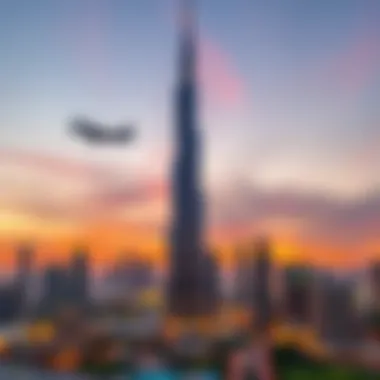
Standing at an astounding height of 828 meters, the Burj Khalifa is not merely a building; it is an achievement in human engineering and a symbol of Dubai's quest for excellence. Finished in 2010, it holds the title of the tallest structure in the world, capturing the awe of both locals and tourists who gaze upon its magnificent silhouette. The building comprises 163 floors, each designed with meticulous attention to detail, housing luxury apartments, offices, and the renowned Atmosphere restaurant on the 122nd floor.
Visitors often flock to the observation deck on the 148th floor for a panoramic view that stretches as far as the eye can see, offering a unique perspective on the city's sprawling desert and coast. The design incorporates influence from traditional Islamic architecture while pushing the boundaries of modern aesthetic sensibilities.
"The Burj Khalifa is a reminder of how ambition knows no limit."
The tower also plays a pivotal role in Dubai’s annual calendar, hosting celebratory fireworks and light shows that attract thousands. For investors, the Burj Khalifa represents significant opportunities, as properties nearby often command premium prices due to their iconic location and views.
Dubai Mall: A Retail and Leisure Hub
Adjacent to the Burj Khalifa stands the Dubai Mall, which is not merely a shopping destination but a bustling social hub that attracts millions each year. The mall stretches over 1.1 million square meters and features more than 1,200 retail stores, indoor ice skating, a massive aquarium, and even a virtual reality park. It is one of the largest malls in the world, showcasing the luxurious brands synonymous with Dubai while also catering to diverse cultural tastes.
A key facet of the mall is its focus on leisure along with retail, providing a space where visitors can dine, relax, and entertain themselves. Families can spend entire days exploring the various attractions, bringing a fresh cultural experience to shopping.
From an investment standpoint, the mall's heavy foot traffic makes its vicinity a lucrative area for real estate ventures. Retail properties here not only promise high returns but also consistent demand due to the mall's global recognition as a shopping destination.
Palm Jumeirah: An Architectural Feat
The Palm Jumeirah, an artificial archipelago, is one of the most audacious undertakings in landscape architecture. Shaped like a palm tree and visible from space, it showcases human ingenuity paired with a commitment to creating an idyllic lifestyle. Completed in 2006, the palm is lined with premium resorts, luxury villas, and a variety of entertainment options enabling residents and visitors alike to experience the ultimate in leisure and comfort.
As an engineering wonder, the development of Palm Jumeirah required massive amounts of sand and rock. Today, it houses several of Dubai's best-known hotels, including the luxurious Atlantis, The Palm. With exclusive beaches and stunning views of the Arabian Gulf, it is a favorite spot for those seeking both relaxation and thrill.
The impact of Palm Jumeirah extends beyond tourism; it serves as a prime example of how a landmark can attract investment into adjacent areas, thus significantly enhancing property values. For investors, the ongoing interest in the area makes it a compelling proposition amidst Dubai's dynamic real estate landscape.
Cultural Experiences
Cultural experiences in Dubai offer a unique lens through which to appreciate the city's rich tapestry of traditions woven within a rapidly modernizing environment. Understanding these experiences is crucial for investors and locals alike, as they help articulate what makes Dubai not just a commercial hub but also a place where history and art intermingle.
When one visits Dubai, it’s easy to be distracted by the towering skyscrapers or the glitzy shopping malls, but it's the cultural experiences that give the city its heartbeat. They serve as a reminder of the roots planted deep in the desert sand, providing a counterbalance to the fast-paced lifestyle that characterizes so much of urban life here. Emphasizing local traditions can have immense benefits, such as fostering community goodwill, nurturing tourism, and enhancing property values. For anyone considering investment, this cultural richness could influence the choices of potential buyers.
Dubai Museum: A Glimpse into the Past
Nestled in Al Fahidi Fort, the Dubai Museum brings visitors face-to-face with the rich history of the emirate. It’s not just an exhibition of artifacts; it's a journey through time, chronicling Dubai's transformation from a sleepy fishing village to a global powerhouse. The museum’s exhibits showcase traditional Emirati life—pearling, trade routes, and the pre-oil era—leaving visitors with a profound understanding of what shaped the modern Dubai we see today.
While exploring the museum, one can ponder the stark contrast between the humble beginnings of this land and its shimmering future. It prompts questions about sustainability and development that resonate with anyone looking to invest in the region. Investing in areas surrounding such cultural landmarks often yields benefits, as community spirit and educational tourism can add value to nearby real estate.
The Dubai Opera: A Cultural Epicenter
The Dubai Opera stands as a modern architectural marvel and a hub of refined cultural experiences. With its dhow-shaped design, the venue hosts a range of performances—from opera to ballet to musical concerts. It’s more than just a building; it's a symbol of Dubai's commitment to arts and culture.
The Opera not only entertains but also educates, showcasing both international stars and local talents. Attending an event here offers insights into the contemporary cultural landscape of Dubai. Engaging with the arts can be an advantage for those in the real estate market, as locations close to high-profile venues tend to attract a more affluent clientele. Rental demand often rises in such neighborhoods, making it a win-win situation for property owners.
Al Fahidi Historic District: Preserving Heritage
Al Fahidi Historic District is a gem that takes visitors back to the essence of Old Dubai. This area is characterized by its narrow lanes, wind-tower architecture, and a blend of cultural institutions that breathe life into the past. Walking through Al Fahidi, one feels as if they’re wandering through a time portal, with art galleries and cafes sprouting amidst traditional Emirati homes.
The district emphasizes the importance of heritage conservation in a rapidly changing city. For real estate investors, properties here offer a unique selling point because they provide a connection to the authentic essence of Dubai. Homes in historic districts often carry a charm and story that new constructions simply can't replicate. High demand exists not only for housing but also for commercial spaces that align with the values of culture and nostalgia.
"Cultural experiences in Dubai are not just activities; they are opportunities for investment and connection that can yield substantial returns, both economically and socially."
In summary, cultural experiences throughout Dubai are fundamental to understanding the city’s identity. They offer insights and opportunities that resonate deeply with both visitors and potential investors, revealing layers beyond the dazzling surface.
Natural Attractions
Natural attractions in Dubai present a vivid contrast to the towering structures and bustling urban life that many associate with the city. These areas not only offer tourists a breath of fresh air, they also provide insights into Dubai's diverse ecosystem and innovative integration of nature within a modern metropolis. Understanding these natural landscapes is crucial for discerning investors and homeowners who wish to empathize with the living environment that surrounds their investment.
The remarkable variety of natural attractions helps to enhance Dubai’s appeal as a tourist destination. These spaces invite individuals to immerse themselves in the unique environment, promoting a balance of urban luxury with serene nature. Whether it’s a dune expedition in the desert or a leisurely stroll by the coast, each natural attraction offers distinct experiences beneficial for recreation and relaxation.
Desert Safari Experiences
The allure of the desert is simply magnetic, drawing both tourists and locals alike into its sandy embrace. Desert safari experiences in Dubai are not just about the thrilling ride over the dunes; they present an opportunity to explore an ancient landscape rich with cultural tales. Visitors can partake in activities ranging from dune bashing to camel rides, providing a tactile connection with this magnificent environment.
Moreover, these safaris often culminate in traditional BBQ dinners complete with belly dancing, showcasing the vibrant Emirati culture. Each ride stirs the spirit of adventure, making it not just a mere excursion but also a cultural educational experience.
Popular activities during a desert safari include:
- Dune bashing in a 4x4 vehicle
- Camel riding under the stars
- Sandboarding down slopes
- Dining with live entertainment
Dubai Creek: Nature Meets Urban Life
Dubai Creek serves as a lifeblood for the city, blending unspoiled nature with the throbbing rhythm of urban life. This historic waterway divides the city into two halves, Bur Dubai and Deira, and has been pivotal to its trade and development. Tourists can enjoy traditional abra rides along the creek while experiencing glimpses of Dubai's vibrant history.
The area around the creek is also dotted with lush parks and scenic walkways. Here, residents and visitors alike find solace from the city's rapid pace. Several open-air cafes line the waterfront, inviting people to relax with a cup of coffee while watching dhows glide by.
This space enables dialogues between past and present, showcasing how nature can peacefully coexist with urban development.
Jumeirah Beach: Relaxation by Design
Jumeirah Beach provides an oasis of calm, stretching along the pristine coastline against the glimmering waters of the Arabian Gulf. It’s an idyllic location for locals and travelers to unwind after a day of exploring Dubai’s attractions. With soft golden sands and clear turquoise waters, it’s no wonder that this beach is frequently at the top of any traveler's list.
Besides sunbathing, visitors can engage in a variety of water sports, from jet skiing to paddle boarding. Families often flock here to enjoy vibrant beach parks that cater to all ages. More than just a place to swim, it creates an atmosphere that is welcoming and vibrant, contributing significantly to the overall quality of life in Dubai.
The integration of nature into the architectural framework of the city reaffirms a commitment towards sustainable living while making it immensely appealing for potential investors.
Facilities at Jumeirah Beach include:
- Showers and changing rooms
- Beachfront cafes and restaurants
- Children’s play areas
Shopping Destinations
Dubai is renowned as a shopping haven, and this section elucidates the critical role that shopping destinations play in both the tourist experience and the broader economic landscape of the city. With a blend of traditional markets and modern retail spaces, these destinations cater to a variety of lifestyles, tastes, and budgets. For potential investors and homeowners, understanding the shopping dynamics in Dubai is fundamental to grasping the city’s growth trajectory and its impact on property values.
The Gold Souk: Traditional Market Charm
Stepping into the Gold Souk is like walking into a treasure chest. Located in the heart of Dubai's commercial district, this market boasts numerous shops teeming with dazzling displays of intricate gold jewelry. The ambiance captures the essence of Dubai's rich trading heritage. It’s not just about the glimmering gold; it’s a cultural experience, allowing visitors to interact with local merchants who are often quite knowledgeable about the art of jewelry making.
In addition to jewelry, the Gold Souk showcases the significance of traditional craftsmanship. The market highlights the importance of buying gold in Dubai, as it often offers a more competitive price compared to global rates due to lower taxes. Tourists and locals alike:
- Can haggle for better deals.
- Explore different styles, from intricate Arabic designs to contemporary pieces.
"The Gold Souk is not merely a place to shop but a vibrant gathering of culture, craftsmanship, and commerce that depicts Dubai's rich history."
Mall of the Emirates: More than Shopping
Mall of the Emirates is not just your standard outlet for retail; it's an experiential hub. Beyond its vast range of stores and brands, it is home to Ski Dubai, an indoor ski resort, offering an unconventional twist to the shopping experience. Visitors can glide down the slopes, relax in the snow, or engage in snowboarding, all while the sun shines outside.
From high-end boutiques to a myriad of dining options, the mall supports all facets of leisure. This multi-faceted approach to shopping presents several benefits:
- All-inclusive visits: Families can enjoy varied activities in one place.
- Global brands: Shoppers can find everything from local artisan goods to international luxury labels.
This vibrant space not only drives foot traffic but also plays a pivotal role in drawing significant tourist interest, making it essential for investors to consider its location and amenities when evaluating real estate opportunities nearby.
Global Village: Cultural Shopping Experience
Global Village stands out as a seasonal cultural extravaganza, where shopping meets an immersive global experience. Open from November to April, it brings together pavilions from numerous countries, showcasing their unique crafts, foods, and products. Strolling through the village offers an opportunity to taste flavors from around the world while shopping for handcrafted items, textiles, and souvenirs.
This environment caters to those looking for something different. The flavors of local culture meet international appeal:
- Cultural performances: Regular shows reflect artistic expressions from different regions.
- Authentic merchandise: Visitors can buy unique items not found in conventional malls.


For real estate investors, understanding the flow of visitors to Global Village presents insights into seasonality and local consumer habits, helping inform decisions for potential projects in the vicinity.
In a city that thrives on its diverse offerings, each shopping destination contributes to the rich tapestry of Dubai’s culture, economy, and social life. These places are not merely about retail; they shape the experience of living and visiting Dubai.
Recreational Activities
Recreational activities in Dubai provide a vital balance to the hustle and bustle of city life. They offer not just relaxation but an avenue for social interaction, family bonding, and a chance to experience the unique environment the city has created. With an ever-growing population of expatriates and tourists, Dubai ensures there’s something for everyone in terms of leisure pursuits.
The blend of natural landscapes with modern attractions creates a unique canvas for diverse recreational options. From lavish parks to thrilling amusement destinations, the recreational sector in Dubai is designed to cater to varied tastes and age groups. Engaging in local recreational activities often leads to uncovering hidden gems, which can greatly enhance the tourist experience. Additionally, for potential real estate investors, a well-structured recreational framework elevates property values and makes areas more attractive for serious buyers.
Dubai Parks and Resorts: Entertainment for All
Dubai Parks and Resorts stands out as a dynamic hub for entertainment, showcasing some of the largest theme parks in the region. Covering vast green landscapes, it combines several attractions under one roof, making it a go-to destination for both locals and tourists alike. Visitors can immerse themselves in the wonders of a multitude of parks such as Motiongate Dubai, Bollywood Parks, and Legoland Dubai.
Each theme park has its unique appeal:
- Motiongate Dubai brings the magic of Hollywood to life with thrilling rides inspired by popular movies.
- Bollywood Parks celebrates the spirit of Indian cinema with live shows and themed attractions.
- Legoland Dubai captivates younger audiences with its interactive rides and themed building experiences.
The infrastructure here is impressive; easy access to transport and amenities ensures that a day at the parks is hassle-free. In addition, the inclusive nature of the parks makes them a valuable investment; more families often lead to increased demand for nearby residential properties.
Aquaventure Waterpark: Thrills and Leisure
If there's any place to find heart-pounding excitement coupled with leisurely vibes, it’s the Aquaventure Waterpark. Nestled at the Atlantis, The Palm resort, it's one of the largest water parks in the world, covering 42 acres of adrenaline-pumping slides and relaxed river rides.
Key highlights include:
- The Leap of Faith, a daring slide that offers a near-vertical plunge through a shark-filled lagoon.
- The Lazy River, perfect for those seeking a more laid-back experience as they float along.
- Private Cabanas, giving visitors a taste of luxury and a chance to unwind in style.
Aquaventure is more than just a water park; it’s a multifaceted experience teeming with entertainment opportunities. Aside from thrill rides, it often hosts events and seasonal festivals, drawing crowds year-round. An attraction like this not only enhances the city's recreational appeal but also boosts the surrounding real estate market through its association with premium leisure experiences.
"Recreational activities are not merely leisure pursuits; they are integral in shaping the lifestyle and social fabric of a city."
Whether it’s the thrills at Aquaventure or the joyful gatherings at Dubai Parks and Resorts, recreational activities showcase the city’s capability to evolve and adapt to the needs of its residents and visitors. For investors and homeowners, understanding this landscape is critical, as it factors into the pulse of the community and ultimately impacts property investments.
Dining and Culinary Experiences
Dubai's culinary scene is not just about sustenance; it's an immersive journey through flavors, cultures, and traditions. In a city known for its extravagance and diversity, dining becomes a vital aspect of the overall travel experience. The importance of this topic lies in its ability to attract a cosmopolitan clientele, showcasing both local heritage and international influences.
Why Culinary Experiences Matter
- Cultural Exchange: Each dining venue tells a story, often a mix of local tradition and global flair. From street food to Michelin-star establishments, these culinary experiences foster a deeper understanding of Dubai's multicultural essence.
- Economic Impact: The food and beverage sector is a significant contributor to Dubai's economy, drawing in significant tourist traffic and generating job opportunities. Investors in the hospitality sector can benefit immensely from this booming industry.
- Social Interactions: Restaurants and cafes serve as communal spaces where people gather, bond, and share their experiences. This social aspect is vital for both locals and tourists, enhancing the sense of community.
- Unique Offerings: With trends such as brunches in the sky and themed dining experiences, Dubai offers something for everyone. This uniqueness not only captivates visitors but also makes the city an attractive place for potential investors in the food industry.
Al Hadheerah: A Taste of Tradition
Al Hadheerah is more than a restaurant; it’s an experience that immerses diners in the rich tapestry of Arabic culture. Located in the Bab Al Shams Desert Resort & Spa, this one-of-a-kind venue boasts an air of nostalgia, taking visitors back to Bedouin times.
The menu is a celebration of traditional Emirati cuisine featuring dishes like slow-cooked lamb, freshly baked bread and fragrant rice. Guests can enjoy a live cooking show while feasting on various delicacies.
Highlights include:
- Atmosphere: Set under the stars with traditional music playing softly, creating a captivating ambiance.
- Interactive Dining: Engage with chefs at the live stations, providing an authentic insight into the culinary art.
- Cultural Shows: Guests can enjoy performances such as Belly dancing and traditional music while enjoying their meals.
"Al Hadheerah isn't just a meal; it's a deep dive into the essence of Arabian hospitality."
Fine Dining: Gastronomic Journeys
In a city defined by luxury, the fine dining scene in Dubai is nothing short of spectacular. High-end restaurants feature world-renowned chefs and innovative culinary techniques that redefine dining.
Some noteworthy places include:
- At.mosphere: Located on the 122nd floor of Burj Khalifa, it offers breathtaking views along with an exquisite menu.
- Nobu: Fusing traditional Japanese techniques with Peruvian flavors, Nobu is a favorite among globetrotters.
- Pierchic: Set over the water, it specializes in seafood and provides a romantic setting unlike any other.
The fine dining experience in Dubai focuses on:
- Exclusivity: Reservations at these establishments are often essential, reflecting their depth in popularity and the unique dining experiences they offer.
- Artistry: Dishes are designed not only to be eaten but to be admired. Each plate is crafted meticulously, becoming a feast for the eyes.
- Personalized Service: Fine dining in Dubai is characterized by exceptional service, ensuring every need is catered for from the moment guests arrive.
These dining experiences offer foundational knowledge for investors keen on the culinary market in Dubai. With a compelling blend of tradition and modernity, the dining landscape represents an evolving frontier where culinary arts thrive, reflecting the city’s growth and future potential.
For more insights on Dubai’s dining scene, you can explore resources like Wikipedia and Britannica.
Events and Festivals
Events and festivals play a significant role in shaping the cultural and social landscape of Dubai. They provide a vibrant avenue for local residents and tourists alike to engage with the rich tapestry of traditions, arts, and community spirit. By exploring these gatherings, one can appreciate not only the entertainment value but also the economic implications tied to tourism and real estate investments. Festivals often attract large crowds, creating a buzz that enhances the city’s image as a global hub of commerce and culture.
The two prominent events in Dubai, the Dubai Shopping Festival and the Dubai International Film Festival, exemplify how such occasions can benefit businesses ranging from small vendors to large corporations. These events foster not just consumer expenditure, but they also enhance the visibility of the city on international platforms, solidifying its reputation and magnifying investment interests.
Dubai Shopping Festival: An Annual Extravaganza
The Dubai Shopping Festival (DSF), held typically in January, transforms the city into a shopping haven. Spanning over a month, this festival is characterized by massive sales, daily raffles, and a plethora of entertainment options, ranging from fashion shows to live performances. Such an event not only attracts tourists from various parts of the globe who are keen to snap up good deals but also engages local residents, contributing to a sense of community and excitement.
The economic influence of DSF cannot be overstated.
- Boosts Retail Sales: Reports suggest that retailers see a spike in sales during this period, leading to substantial benefits for local businesses.
- Enhances Tourism: The influx of visitors encourages them to explore other attractions and invest in experiences like dining, sightseeing, and entertainment.
- Economic Diversity: Local artisans and businesses get a platform to showcase their products alongside major international brands, improving the local economy.
"Dubai Shopping Festival is not just about shopping; it's about experiencing the vibrancy of Dubai."


Communities come together to celebrate not just commerce but culture, making it an essential event in the calendar that fuels interest in Dubai's real estate market. The increase in foot traffic often leads to heightened awareness and glimpses of properties up for potential investment.
Dubai International Film Festival: Cinema at Its Best
Another jewel in Dubai's event crown is the Dubai International Film Festival (DIFF), which showcases not only regional talent but also international films that span a variety of genres and origins. Usually held toward the end of the year, this festival acts as a platform to celebrate cinematic arts and promote cultural exchange.
Attending DIFF provides numerous benefits:
- Cultural Exposure: Movie enthusiasts gain insight into various cultures through the cinematic lens, which may spark greater interest in the region’s media landscape.
- Networking Opportunities: For filmmakers and critics, it’s a prime occasion to connect and collaborate, which can lead to further projects and investments in creative industries.
- Economic Boost: Hotels and local businesses often report increased occupancy and sales during this time as attendees flock to the city for screenings and events.
While both festivals underscore the entertainment aspect of Dubai, they also hint at the vast potential for real estate investment closely intertwined with tourism. New hotels, entertainment complexes, and retail spaces are often developed in anticipation of these events, presenting opportunities for savvy investors.
In summary, events like the Dubai Shopping Festival and the Dubai International Film Festival do not just contribute to the social fabric of the city; they help frame Dubai as a vibrant player in the global tableau, thus enriching its real estate and tourism sectors.
Sustainable Initiatives
Sustainable initiatives play a crucial role in shaping the future of Dubai, a city known for its rapid growth and ambitious developments. These efforts not only aim to reduce the environmental impact of urbanization but also enhance the overall quality of life for residents and visitors alike. In a landscape that often showcases luxury and modern marvels, the inclusion of sustainability measures is a welcome contrast, drawing attention to the importance of environmentally conscious decisions in today’s world.
Green Spaces and Environmentally Friendly Projects
Dubai's commitment to integrating green spaces into its bustling urban environment is evident in its ongoing projects. The city has developed parks, gardens, and green roofs that not only beautify the skyline but also serve as vital oxygen sources. For instance, Al Barsha Park stands out as a serene escape where families can unwind, surrounded by lush greenery. Meanwhile, the Dubai Marina Green Walk offers a stimulating pathway that encourages walking and cycling, promoting healthier lifestyles.
Additionally, the Dubai Sustainable City is a shining example of eco-friendly living. As a pioneering residential project, it incorporates solar energy, waste recycling, and a water conservation system, demonstrating that sustainability can coexist with luxury. These initiatives attract environmentally conscious investors, who recognize the intrinsic value of investing in properties that prioritize sustainability.
- Benefits of Green Spaces:
- Improve air quality
- Reduce urban heat island effects
- Provide community gathering spaces
- Enhance property values
Future Sustainability Goals for Dubai
The vision for Dubai extends into the future with various sustainability goals set forth by the government. The Dubai Clean Energy Strategy 2050 aims for a remarkable 75% of the city’s energy to come from clean resources. This ambitious goal reflects a broader commitment not only to combat climate change but also to position Dubai as a global leader in sustainability.
Furthermore, initiatives like the Dubai 2040 Urban Master Plan lay out a roadmap for sustainable urban growth, emphasizing public transport and walkable neighborhoods. These plans reveal a nuanced understanding of urban dynamics, where the focus will be shifted from car-centric designs to pedestrian-friendly areas, fostering communities rather than isolating them.
"Sustainable initiatives are essential for ensuring that Dubai grows in a way that respects both its heritage and its environment."
As Dubai continues to balance its unique blend of tradition and modern development, these sustainability strategies are not merely aspirational but essential for the city’s long-term viability, particularly for those in the real estate market. Developers and investors looking for opportunities should consider sustainable initiatives not only as ethical choices but as sound financial decisions in their pursuit of growth in this vibrant city.
For further information on Dubai's sustainability initiatives, visit Dubai Sustainability.
To understand more about the city's future vision, check out the Dubai 2040 Urban Master Plan for insights.
These actions will not only benefit the environment but also foster a deeper appreciation for the rich and diverse culture that makes Dubai an investment opportunity worth exploring.
The Role of Real Estate in Tourism
The synergy between real estate and tourism in Dubai cannot be overstated. As the city continues to evolve, the real estate sector plays a pivotal role in shaping the tourism landscape. Investors, developers, and policymakers are all part of a complex web that drives the growth and success of this dynamic market. The attractions that draw millions of visitors each year depend heavily on the infrastructure that real estate provides. From high-end hotels that cater to luxury travelers to affordable lodgings for budget-conscious tourists, real estate in Dubai meets diverse needs, ensuring that everyone can experience the city's charm.
Among the key elements influencing this relationship are strategic location, unique properties, and innovative development projects. With its strategic placement on the global map, Dubai has become a significant stop for international travelers, serving as a gateway to the Middle East. Consequently, real estate developments must be strategically positioned to capitalize on this influx. Additionally, the design of accommodations, shopping venues, and recreational facilities ties directly into tourist satisfaction and experience.
Real estate not only caters to tourists but also offers investment opportunities. Those drawn to the booming tourism sector see Dubai as a fertile ground for property investment, seeking to capitalize on rising demand. Notably, this demand does not just stem from the influx of tourists; there’s also a growing expatriate community. The blend of diverse cultures and stringent property regulations can create a balanced environment for growth, giving investors something to think about.
"In Dubai, real estate is more than just buildings; it’s the lifeblood of the tourism industry."
Luxury Accommodations: Meeting Tourist Needs
When it comes to luxury accommodations, Dubai raises the bar. The city is home to some of the most luxurious hotels in the world, such as the Burj Al Arab and the Armani Hotel. These establishments offer lavish amenities, exquisite dining options, and impeccable service, all tailored to meet the expectations of discerning tourists.
The allure of staying in Dubai extends beyond just comfort; it’s about experience. Many hotels craft unique packages incorporating cultural experiences, spa services, or access to exclusive events. Additionally, the brands often leverage cutting-edge technology to enhance guest experiences. For example, keyless entry systems and personalized digital concierge services allow tourists to enjoy a seamless stay.
- Trends:
- Eco-friendly designs in luxury hotels are gaining traction.
- Personalization in service is key to fulfilling diverse tourist expectations.
Investment Opportunities: Aligning with Attractions
The link between property investment and local attractions is critical. Investors are increasingly seeking properties that are either situated near iconic landmarks or designed to complement the local culture and lifestyle. Properties that blend innovative architecture with a nod to traditional elements often capture the attention of both tourists and potential buyers.
Moreover, upcoming developments such as the Dubai Expo 2020 site illustrate how attractions can directly influence real estate appetites. Post-expo developments promise to bring in substantial return on investment, making them appealing to investors. This is a point where foresight leads to favorable outcomes in real estate choices.
In summary, the landscape of real estate in Dubai is markedly influenced by tourism. As developers create spaces tailored to meet the needs of visitors, the intertwining of both sectors suggests a bright future for both tourism and property investment in the city. Investors stand to reap the rewards, but they must also consider local trends and the evolving market landscape.
The End and Future Outlook
As we bring our exploration of Dubai's diverse attractions to a close, it is essential to reflect on what has been unveiled throughout this article. The significance of this topic lies not merely in the presentation of stunning locations and rich cultural experiences but also in the broader implications for investors, homeowners, and real estate enthusiasts. Understanding these diverse attractions can be a game changer for those looking to navigate the intricacies of Dubai’s ever-evolving landscape.
The attractions discussed are a testament to Dubai's commitment to innovation and luxury, setting the stage for future developments that promise to blend leisure, culture, and economic growth. There's a continual push not only to enhance visitor experiences but to foster opportunities for local empowerment and global partnerships. Indeed, navigating the tourism scene here is akin to traversing a fine line between opulence and authenticity.
"Dubai's future isn't just about skyscrapers; it's about sustainable growth and cultural preservation hand in hand."
The Future of Tourism in Dubai
Looking ahead, the tourism sector in Dubai shows intense potential for expansion. Recent trends indicate a robust growth trajectory fueled by factors such as increased accessibility, emerging markets, and diverse offerings that cater to various demographics. The upcoming World Expo and events like the Dubai Shopping Festival are just the tip of the proverbial iceberg. With the rise of eco-tourism and authentic cultural experiences, we can expect to see a shift in how Dubai markets its attractions.
Furthermore, local initiatives focusing on sustainable tourism practices are gaining traction. This shift aligns with global expectations, as tourists are becoming more conscientious about their travel choices. As local businesses and tourists alike embrace sustainability, it is likely this will positively affect how the city builds its tourism offerings in the years to come.
Impact on the Real Estate Market
The real estate market in Dubai is intricately linked to its tourism sector, serving as both a catalyst for growth and a reflection of the city's attractiveness. As tourism flourishes, demand for residential and commercial properties escalates. Investors keen on capitalizing on this momentum must consider factors such as location, property type, and amenities when strategizing their investments.
Recent developments, particularly in areas that are tourist hotspots, have resulted in a surge of high-end resorts and residential spaces that attract both long-term residents and short-term visitors. However, this growth does come with its own set of challenges, including potential oversupply and the need for continued infrastructure improvements.
Investors should be mindful of these market dynamics while also remaining adaptable to shifts in consumer demand. Future projects focusing on mixed-use developments are expected to draw interest, merging leisure and living with commercial spaces to create vibrant communities. As the real estate market reacts to an ever-evolving tourism landscape, those who stay informed and agile will stand to benefit the most from the myriad opportunities that Dubai has to offer.